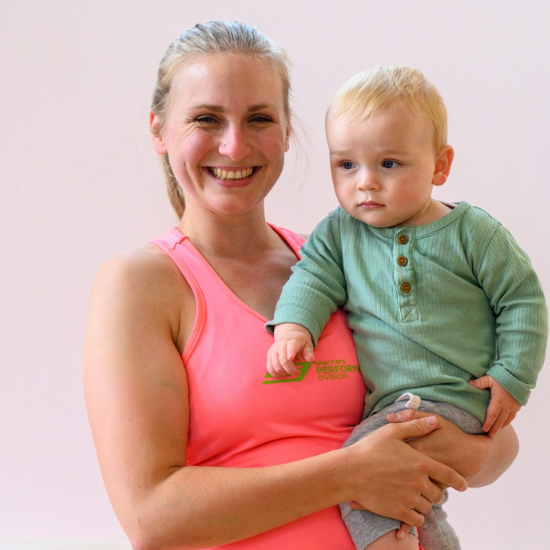
Why Pelvic Floor Health Matters More Than You Think
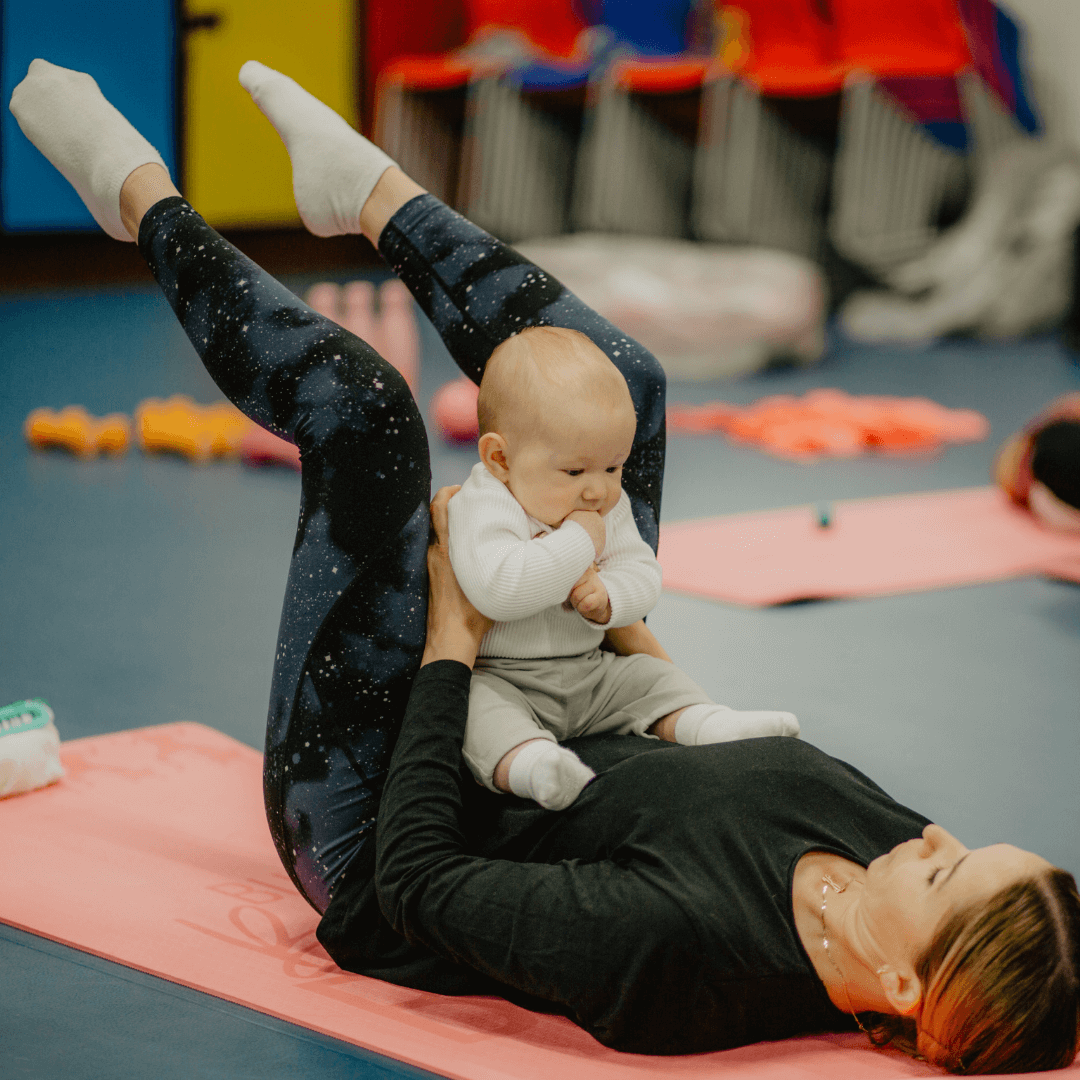
When we talk about pelvic floor health, it’s often mentioned briefly by your midwife during pregnancy or after birth. But the pelvic floor plays a vital role in our physical health, mental wellbeing, confidence, relationships, and overall quality of life, at every stage of womanhood. This means, it’s important to know how our pelvic floor works and how to support it effectively.
Looking after your pelvic floor isn’t just about preventing leaks, it’s about feeling strong, supported, and confident in your body.
What Is the Pelvic Floor?
The pelvic floor is a group of muscles that sit at the base of your pelvis, forming a supportive 'sling' or 'hammock'. These muscles help to:
Support the bladder, bowel, and uterus
Control bladder and bowel function
Stabilise the core and spine
Contribute to sexual function and pleasure
Pregnancy, birth, hormonal changes, high-impact exercise, stress, and even posture can affect how well these muscles function.
.png)
How Pelvic Floor Health Affects Physical Wellbeing
A healthy pelvic floor supports everyday movement and long-term physical health. When these muscles are weak, overactive, or not working efficiently, women may experience:
Leaking during exercise, laughing, or coughing
Lower back, hip, or pelvic pain
A feeling of heaviness or pressure
Reduced core strength and stability
Increased risk of injury during exercise
Pelvic floor dysfunction doesn’t mean your body has failed; it simply means those muscles need the right kind of support and retraining.
The Impact on Mental and Emotional Wellbeing
Pelvic floor symptoms can be deeply affecting on a mental and emotional level. Many women experience:
Anxiety about leaking in public or during exercise
Reduced confidence in their bodies
Embarrassment or fear of being judged
Frustration or sadness when activities feel limited
These feelings can lead women to withdraw from movement, social situations, or self-care, which can impact mental health over time. Feeling supported, informed, and empowered is key to breaking this cycle!
.png)
.png)
Pelvic Floor Health and Social Confidence
When pelvic floor health is compromised, everyday social activities can feel stressful. Women may avoid:
Exercise classes or the gym
Social events
Playing with their children
Laughing freely or relaxing in public spaces
Over time, this can create isolation. Supporting pelvic floor health helps women feel confident participating fully in life, without fear or hesitation.
Sexual Wellbeing and Intimacy
The pelvic floor plays a crucial role in sexual function and pleasure. Pelvic floor dysfunction may contribute to:
Pain during intercourse
Reduced sensation
Avoidance of intimacy
These challenges can affect relationships and self-esteem. Addressing pelvic floor health can improve comfort, confidence, and connection, both physically and emotionally.
How Movement Can Support Pelvic Floor Health
Movement supports pelvic floor health when it goes beyond isolated exercises and focuses on how the body works as a whole. By coordinating the pelvic floor with breath, building both strength and relaxation, and integrating pelvic floor function into everyday movements, women can develop muscles that respond naturally and effectively to real life. Exercising in ways that respect recovery, energy levels, and individual needs is key to long-term healing and confidence.
.png)
-(7).png)
Why Should You See A Pelvic Health Physiotherapist?
It’s also incredibly important to see a pelvic health physiotherapist for a proper assessment, particularly during pregnancy or after birth. A pelvic health physio can assess how your pelvic floor muscles are functioning — including strength, coordination, and relaxation — and identify any issues that aren’t always obvious. This personalised assessment ensures you’re doing the right exercises for your body, rather than guessing or following generic advice, which can sometimes worsen symptoms. Working alongside a pelvic health physio provides reassurance, clarity, and a tailored plan that supports safe movement, recovery, and long-term pelvic floor health.
How Sweaty Mama Classes Support Pelvic Floor Recovery
Seeing a pelvic health physiotherapist is the first step to understanding your body and making sure you’re doing the right exercises. Once you’ve had an assessment, Sweaty Mama classes can complement that work by helping you rebuild strength, improve coordination, and move confidently in a safe, supportive environment. Our specialist pre- and postnatal classes are designed to integrate pelvic floor awareness into real-life movement, so you’re not just exercising in isolation — you’re learning how to move safely, strengthen your core, and regain confidence. By combining a professional assessment with our guided classes, you can get the full support you need to strengthen your pelvic floor strong and rebuild strength, stability, and confidence.
More articles
Why Pelvic Floor Health Matters More Than You Think
The Ultimate Gift Guide for Mums & Mums-to-Be
Postnatal Workout Ideas You Can Do With Your Baby
When Can I Start Exercising After Having a Baby? (A Postnatal Expert’s Guide)